We’ve been told, in a thousand professional settings, to keep our emotions out of it. Logic and facts matter. Feelings are messy, unprofessional even, the stuff of weakness. This past weekend proved otherwise.
This past weekend’s event, Soul Speaks, challenged this antiquated notion. I was there with a group of women entrepreneurs exploring more deeply how to listen to our own intuition, to our own values and what we care most deeply about in our lives, businesses, the world.
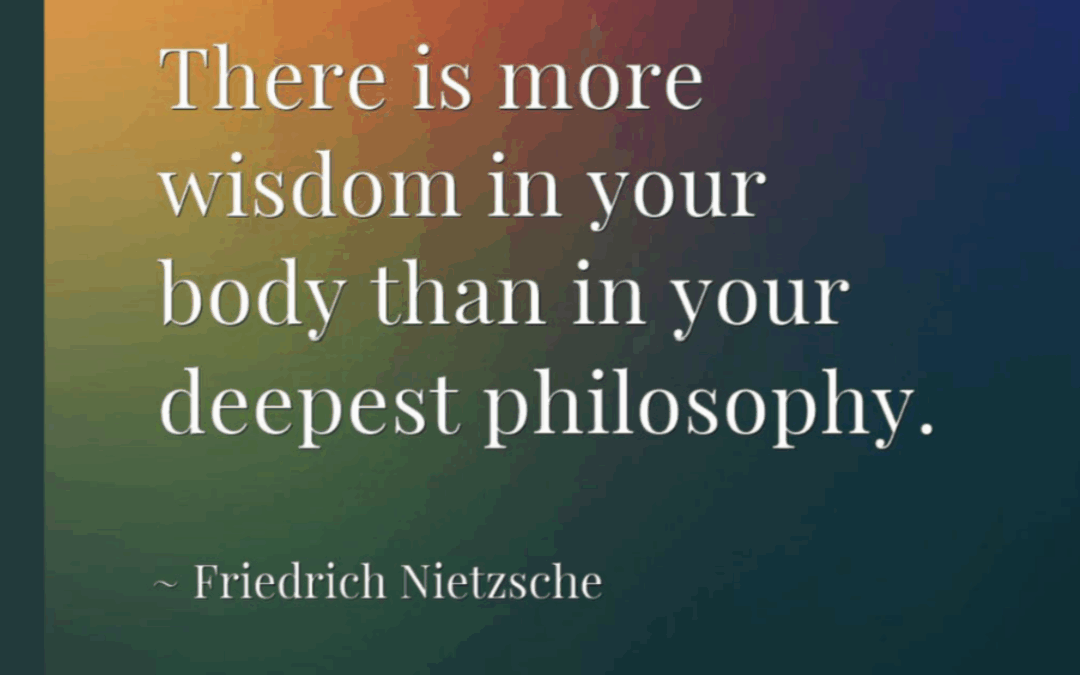
The Soul Speaks process involves tuning into the wisdom of the body and speaking from our souls for greater confidence and authority. In the process we explored the power of a pause to access the rich resonance of our voices.
Jen admitted to being skeptical of the process. Dana wanted more structure to ‘know’ how it would all turn out. Jess sat with her arms crossed tight over her chest.
We live in a culture that worships the explanation. The rational case. The story that makes sense to others. But our bodies speak first, in milliseconds. The body is usually right.
The entire weekend, we tuned in to the deep-seated well of care and spoke from that space instead of off a ‘script.’ It was its own kind of magic.
Exploring Stories
For the past few months, I’ve been exploring stories, which ones we get stuck in, which ones to cultivate, and why it matters at all.
Stories live in the body before they live in the mind. Our day-to-day narratives take up residence in our tissues, shaping who we are by reflecting the real-time exchange between our biological systems and our larger environment. We don’t ‘know’ we’re creating them — and yet they filter
every experience that follows.
It’s an invisible process, this storying of a life.
Stories do more than explain the world. In them, we relive and reenact the comedy and tragedy of our daily lives. We build trust, deepen values, and shape the cultures we live in.
Research in interpersonal neuroscience makes it plain: our bodies are part of how we think, remember, and understand. The enteric system, our gut, communicates directly with the brain via the vagus nerve.
Those who are better at reading their own body’s signals (a quickened heartbeat, a flushed face, shallow breath) score measurably higher on tests of empathy, essential in today’s workplace.
When we sense our own internal state, the pathway for resonating with others opens. Instead of the body being an obstacle to clear thinking, it’s the foundation of it.

In the sunny room with these women leaders over the weekend, I noticed something. When asked ‘What do you know?’ we all had answers — smart ones, strategic ones.
When asked ‘What does your body, your soul know?’ Silence, then tears, lastly truth.
The stories women expressed:
- “I should be able to handle it all” (while exhaustion screams)
- “Being worried means I care” (while anxiety becomes identity)
- “I can’t listen to this small inner voice” (they’ll call me crazy)
- “If I set boundaries, I’m selfish” (while resentment builds in shoulders, neck, jaw)”
- “I need to have the answer” (while body says “I need support”)
When we override body wisdom with should-stories, we don’t just exhaust ourselves. We teach our teams to do the same, and we become models of disconnection.
Practicing bodily inhabited stillness isn’t meditation or clearing your mind. It is dropping into your body fully enough to listen to what it’s been trying to tell you.
Which is what happens with a pause. Not the thoughts quieting (though they might), but the body finally getting to speak first.
Our bodies are always in contact with what’s true. And our stories are always a beat behind, trying to make sense of it, control it, even explain it away.
The invitation, then, is simple: What if you let your body speak first?
I’d love to hear how you’re listening to your body and what you’re discovering. Let me know by connecting at dr*****@***********ng.com.